Tag Archives: Coffee

Cafe Hounding: Mud Coffee – New York, NY

Mud Coffee – New York

307 East 9th Street #GRDN
New York, NY 10003
http://www.themudtruck.com/
Phone: 212.529.876

It was 9:30pm on a Saturday night in the East Village and all of the spots we had heard so much hype about were already closed — (i.e. Abraço and Ninth Street Espresso).

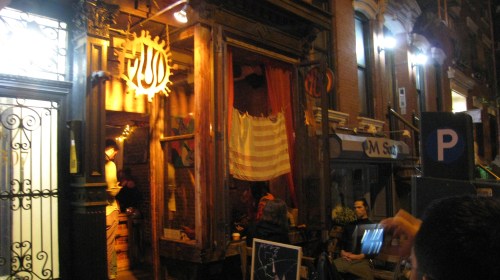
Mud Coffee on a Saturday night.

Mud Coffee on a Saturday night.

After a quick Yelp search we found ourselves at the steps of Mud Coffeehouse.  Immediately upon arrival in this hipster neighborhood of the East Village we knew had found a special place with a very unique ambiance.  The first thing to catch our eye was the nicely packaged Rainforest Alliance coffee sitting at the front counter of the store.  One particular part of their motto that stuck out was “Take a Hit and Pass it On” — referring to their coffee, of course.

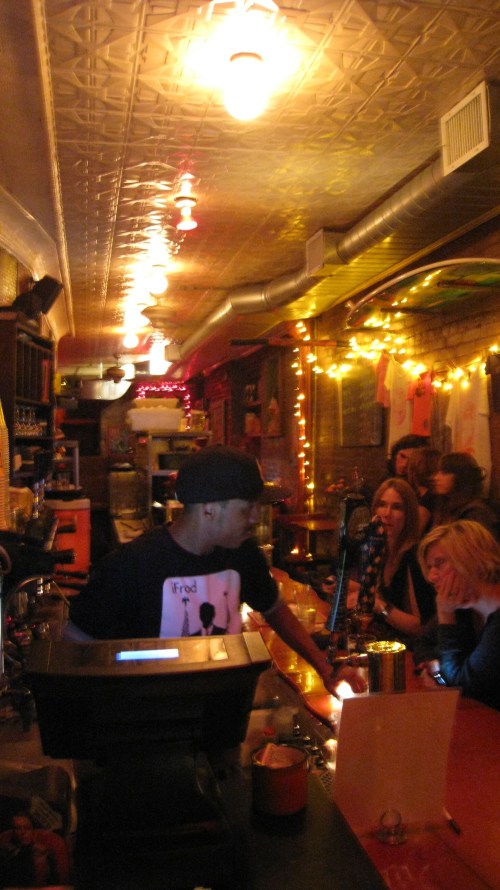
Heading Back...

Heading Back...

The front has a nice window seat that is comfortable for two people to lounge around in with the plush pillows and street view.  There is bar seating as you walk back into the restaurant.  The lighting is dim and the decor is about as vintage hipster as you can get.  The music selection matches the decor with reggae, Beatles and blues all finding their way onto the track list.  The servers are very attentive and welcoming.  In spite of their branding as a coffee place that is “anti-establishment”, their cappuccino wasn’t what really put this place on the map for us.

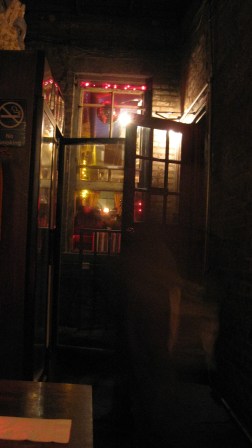
The garden room in the deep back of the establishment had ceiling fans, industrial/vintage decor and simple lighting. Furthermore, the crowd was young — probably partially NYU students — and attractive.  Besides the fact that we encountered people tipping back beers at the bar, cramming out papers in the indoor lounge, and having wine & cheese in the ‘garden area’ reflects how effectively Mud has created a community within a community.  The food menu seemed simple but elegant and the more common drink on a Saturday night around 10 was Cab Sav… not coffee.

Gateway from Garden to Bar

Gateway from Garden to Bar

All in all, this is the type of place that is 100% worth stopping through.  You may not find that they know everything there is to know about brewing and/or roasting coffee but, they know how to carve out a slice of genuine identity in a part of NY that often tries too hard to rage against the machine.

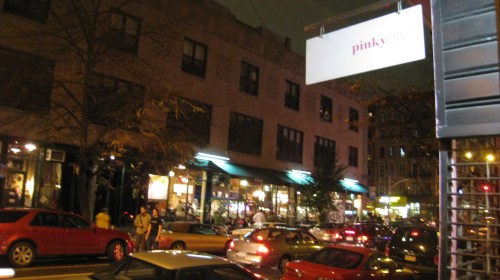
Looking Out from Entrance

Looking Out from Entrance

coffee.edu: Alternative Coffee Markets and Poverty Reduction

Can Fair-Trade, eco-friendly coffee help farmers get out of poverty? One study suggests so.

Poverty and income fluctuation are the most important problems for many households in developing economies. Poverty is exacerbated when these poor households also face fluctuated income. For these poor households living in poverty and lack of access to financial markets, a slight drop in the price of their agricultural product forces them to reduce consumption and health expenditure, withdraw their children from school, or sell their productive assets. All of these responses to the adverse event lead to lower productivity in the long run, further reducing their chance to get out of poverty. This is especially the case for poor small-scale farmers, whose income is low and vulnerable to crop failures or drops in output prices. However, a study of coffee farmers in Northern Nicaragua by Christopher Bacon may provide a potential partial solution for poverty and vulnerability reduction for these households.

The study took advantage of the changing structure of the global coffee markets in the 1990s (the disintegration of the International Coffee Agreement, market liberalization, and higher rate of transnational corporate concentration). The events led to the decline in world coffee price since 1997 throughout 2005. (Specifically, the average price of mild Arabica beans grown outside Colombia dropped from almost 2 USD per pound in 1997 to slightly above 50 cent in 2001.)  To make the situation worse for Nicaraguan farmers, the drop in world coffee price came at the same time as the 1999-2001 droughts.

Bacon conducted an interesting survey of 228 small-scale coffee farmers in Northern Nicaragua in 2001, right at the time when coffee price hit one of the lowest levels in years. He found that the average prices paid at the farm gate for the 2001-01 harvests differed tremendously by the markets. Coffee sold by cooperative members directly to roasters commanded the highest average price at 1.09 USD while cooperative Fair-Trade coffee and cooperative organic coffee were sold at 0.84 and 0.63 USD, respectively. In contrast, farmers selling coffee to local middleman earned only 0.37 USD. When Bacon looked at how long until the farmers got fully paid, he found that selling to local middleman took only 9 days while selling organic coffee through cooperatives took 73 days. The result is consistent to the fact that the farmers were forced to sell their product to local middlemen at large discount in order to get the payment quickly to satisfy their urgent need due to financial market imperfection.

According to 2000-01 harvest data, 80% of Nicaraguan coffee was potentially specialty coffee. However, only 10% of the 2000-01 harvests were indeed sold as specialty coffee. Bacon therefore concluded that specialty, and other nonconventional coffee markets (such as Fair Trade and eco-friendly coffee markets), which commanded higher price, would be a potential strategy that could help small-scale coffee farmers in Nicaragua achieve higher prices of their product and in the end mitigate their poverty and vulnerable to price shocks. What needed is the creation of the alternative nonconventional coffee markets for these farmers with potential for premium coffee trade.

Questions remain, however: What in fact explains the higher price in special coffee market and in other alternative coffee markets? Is it the inelastic consumer demand? Is it due to insurance or hedging mechanisms that provide the farmers a “buffer” to the change in world coffee price? Is it the bargaining power the farmers have as opposed to the exporter/importers? More research is needed before we fully understand whether and how nonconventional alternative coffee markets could help the poor coffee farmers. Surprisingly, the higher price is not one of the leading reasons the the surveyed households listed as their reasons for growing organic coffee, which include safety for their families and children without agrochemicals on the farm, lower expenditures for synthetic inputs, better environment, and protecting water. But promoting certified, organic, Fair-Trade, eco-friendly coffee to the poor farmers might be one of the strategies to which poverty-reduction campaigns might want to pay more attention, at least for now.

Cafe Hounding: Blue Bottle Coffee – Mint Plaza, San Francisco

Blue Bottle Coffee Co. – Mint Plaza, San Francisco
66 Mint St. (corner of Jessie), San Francisco, CA, 94103
bluebottlecoffee.net

Picture 1

Blue Bottle Coffee is a household name for coffee geeks living or visiting San Francisco.  San Francisco Chronicle featured an interview with James Freeman about a month ago. I have been frequented this cafe, both getting a latte at the cafe or buying their beans to bring back to my home in San Diego. The flagship Blue Bottle is at the Mint Plaza, not too far from Civic Center and Union Square. However, it is not located on the main streets so this place is ideal if you want a quick escape from the hectic people traffic on Market and Powell.

Picture 2

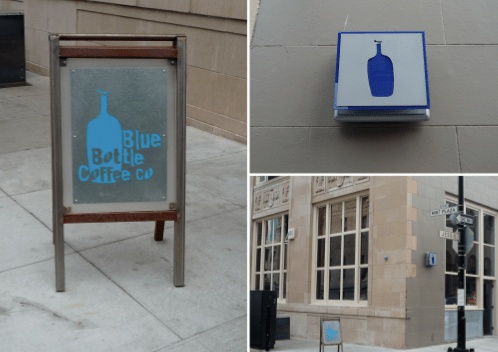
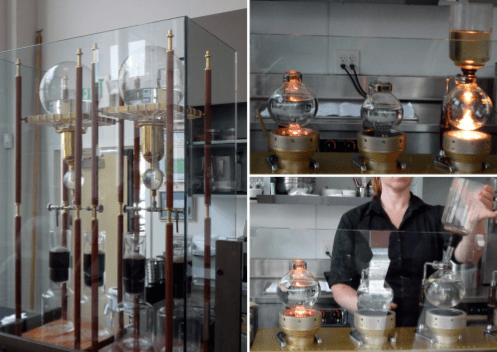
The cafe is easy to spot if you know exactly where it is. Otherwise, try to locate a cute “blue bottle” logo on the wall of the building behind the Mint Building. Once you enter the cafe, you will find yourself in a craftsman-decorated 17ft-ceiling room with modern, industrial redecoration. Looking around, you will see glassware of Blue Bottle’s Kyoto-style coffee maker and other coffee-related appliances on cafe’s long countertop. It really makes you feel like being in a chemistry lab rather than a cafe, which is very cool.

I usually visit Blue Bottle in the afternoon of weekdays, and always find the cafe packed with customers. Sometimes, the line even goes beyond the entrance. The staff are friendly, knowledgeable, and willing to answer your questions (including those related to the chemical reactions that might be happening in one of those glass beakers!). Since the cafe was very busy during the last time of my visit, I did not have a chance to talk to the barista although my latte was very good as expected. (Last month, my cappuccino was prepared by Sally, who had worked with Blue Bottle for 8 months. The drink was great, too.) Blue Bottle uses their 17ft Ceiling Blend for their espresso drinks. It mimics the Italian espresso blend but substituted robusta with high-quality organic arabica, resulting in a very smooth coffee with nice aroma. Blue Bottle also uses organic milk for their latte and cappuccino. If you are an ice-coffee guy, try Blue Bottle’s Kyoto or New Orleans ice coffee. (The Kyoto-style coffee takes over a day to prepare, slowly brewing drop by drop at room temperature.)

Picture 3

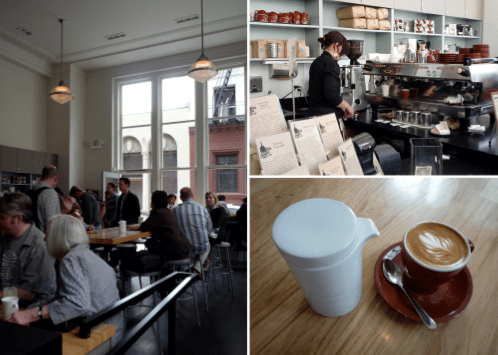
In terms of its ambience, the cafe is good for those who want a short break with a cup of coffee. The high ceiling makes the cafe airy, open, and relax. People also meet here for some quick informal business discussions. Although the cafe seems to be crowded and people have to wait for their drinks at times, I never have problem finding a seat in this cafe. There might be just around 20-30 seats in total, all with communal high bars rather than individual tables. Customers tend not to sit for a long time. One of the reason is that this cafe is not laptop-friendly (no electrical plugs and no wireless internet). However, I concur that this is a good policy after all, given the size of the cafe and the number of customers it serves. This is the place that you can come to enjoy your drink, relax, and leave your work behind– at least for a short moment.

–Kris Hound

Interview: Chuck Patton – Bird Rock Coffee Roasters

Name: Chuck Patton
Title: Owner, Bird Rock Coffee Roasters, La Jolla, CA
Birthplace: San Diego, CA
Hometown: Pacific Beach community. Went to elementary, junior high and high school within a few miles of present day Bird Rock Coffee Roasters retail location.
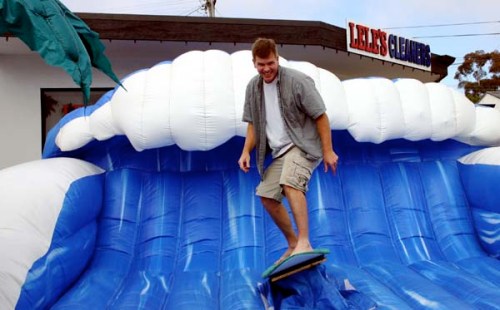
La Jolla Light festivities.

La Jolla Light festivities.

Background

Cafe Hound: Where does your passion for specialty coffee come from? When was that?
Chuck: I started drinking a lot of coffee in high school just for the buzz.  Several years ago, my wife got me a home roaster and I spent a lot of time experimenting with different beans from Sweet Maria’s until the hobby grew into a business.
CH: Tell me about your entry to coffee industry.
Chuck: I bought a one pound fluid air roaster for about US$3,500 and began a home delivery service. I also sold my coffee at the La Jolla farmers market.
CH: How many years of experience do you have in coffee industry?
Chuck: I started the business in 2002.
CH: Did you work for other coffee establishments before starting your coffee business?
Chuck: No. I was self taught.
CH: What was the first location of your business?
Chuck: I did not have a location at first.  I roasted out of the VFW on Turquoise because they had a health permit.  Then, I rented space in a restaurant that is now out of business on La Jolla Blvd.  I converted his wine bar into a coffee bar for morning business but it did not do well.  I chalked it up to a learning experience.  Then, I rented a coffee kiosk on Turquoise behind Albertson’s and operated out of there as the smallest licensed coffee wholesaler in California.  Then, I bought the business of a guy who was burnt out.  It included a list of wholesale accounts and a Probat L12 but, operated out of Miramar.  So, we did that for about a year until we moved here.
CH: Who were your initial clients?
Chuck: Most of our clients are from Bird Rock, La Jolla, and Pacific Beach.
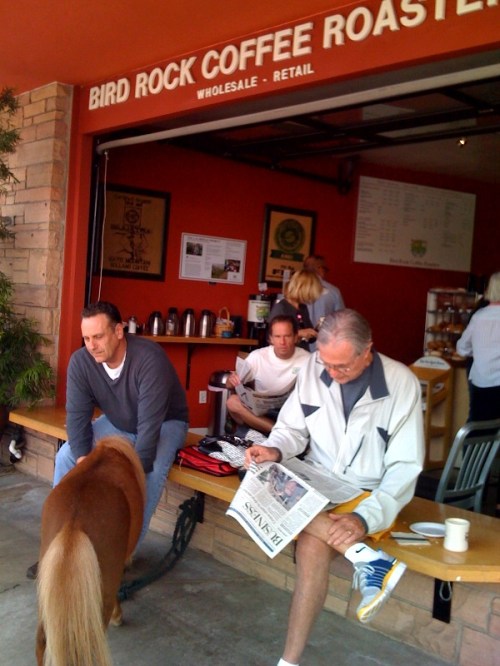

Pony spotting at BRC

Bean & Drink Talk

CH: Where do you buy your beans from?
Chuck: Different brokers. If we are buying directly from farmers, we still need to work with an importer and exporter.
CH: Do you roast your own beans?
Chuck: We roast our own.
CH: Do you sell wholesale or online?
Chuck: Yes, we do wholesale and also sell online.
CH: How often do you order beans? How often do you roast?
Chuck: We roast 5 days a week and order coffee at least twice a month.
CH: How do you name your blends?
Chuck: We only have two blends. We focus on single-origin coffee.
CH: What are your top 3 favorite roasts of the recent past?
Chuck: First, Ethiopia Amaro Gayo city roast. Second, Panama La Esmeralda city roast. And third, Costa Rica Micro-lot full city roast.
CH: What is your favorite drink?
Chuck: Coffee.
CH: What drink is the most sold at Bird Rock?
Chuck: Lattes.
CH: Are there any interesting stories behind your drink names?
Chuck: Trophy wife and sugar daddy are self-explanatory considering the area our café is located.
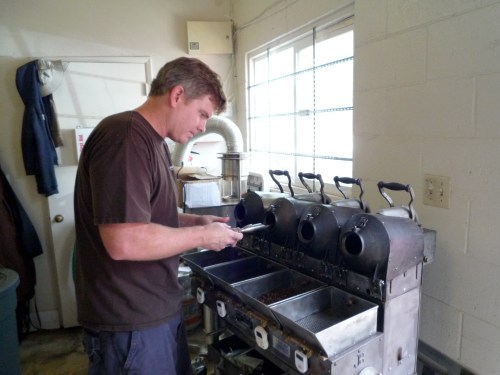
P1000231

Looking Ahead

CH: Do you have any plans for expansion?
Chuck: Secret.  No comment.
CH: So…what’s next?  Beyond the business, what else you would like to do through your work?Chuck: We are currently working on a water filtration project for some of the farmers we are working with in Huila. I will return to Colombia next month to install the second generation of prototypes in a few of the farmers’ homes. I believe we have a responsibility to the farmers we buy coffee from that goes beyond simply purchasing “Fair Trade” coffee so we will focus on projects like this in the future.
CH: What else do you want to tell our reader?
Chuck: We are continuing to seek out and purchase high quality coffee directly from farmers so we are increasing our travel time as we begin to develop relationships with farming groups.
CH: Thank you for sharing your interesting story with us.

Business Information

Bird Rock Coffee Roaster 5627 La Jolla Blvd., La Jolla, CA 92037 Tel. 858 551 1707 www.birdrockcoffeeroasters.com

Special Thanks

We would like to thank Chuck and the good folks at Bird Rock Coffee for roasting the beans used in the first release of Kris/Maher Blend. Maher also wants to thank all of the employees for keeping him caffeinated and happy over his last year of residence in Pacific Beach, especially Hector, Jocylynn, and Tony. Maher knows he’s forgetting the two dudes that used to make sure he got his morning espresso as he rushed to school – unfortunately, the key word was “rush”.

Photo credits: cafehound.com and http://www.lajollalight.com/life/258652-taste-of-bird-rock


Bird Rock Coffee Roasters

http://www.birdrockcoffeeroasters.com

5627 La Jolla Blvd.

La Jolla, CA 92037

858 551 1707

HRS: Mon-Fri 6am-6pm; Sat-Sun 6:30am-6pm

Background

Name: Chuck Patton
Title: Owner
Birthplace: San Diego, CA
Hometown: Pacific Beach community

· Went to elementary, junior high and high school within a few miles of present day Bird Rock Coffee Roasters retail location.

Cafehound.com: Where does your passion for specialty coffee come from? / When was that?

Chuck: Started drinking a lot of coffee in high school just for the buzz.  Several years ago, my wife got me a home roaster and I spent a lot of time experimenting with different beans from Sweet Maria’s until the hobby grew into a business.

Cafehound.com: Tell me about your entry to coffee industry.

Chuck: I bought a one pound fluid air roaster (~US$3,500) and began a home delivery service; selling my coffee at the La Jolla farmers market.

CH: How many years of experience do you have in coffee industry?

Chuck: Started the business in 2002.

CH: Did you work for other coffee establishments before starting your coffee business?

Chuck: No. Self taught.

CH: What was the first location of your business?

Chuck: Did not have a location at first.  I roasted out of the VFW on Turquoise because they had a health permit.  Then, I rented space in a restaurant that is now out of business on La Jolla Blvd.  I converted his wine bar into a coffee bar for morning business but it did not do well.  I chalked it up to a learning experience.  Then I rented a coffee kiosk on Turquoise behind Albertson’s and operated out of there as the smallest licensed coffee wholesaler in California.  Then, I bought the business of a guy who was burnt out.  It included a list of wholesale accounts and a Probat L12 but, operated out of Miramar.  So, we did that for about a year until we moved here.

CH: Who were your initial clients / client profile?

Chuck: Most of our clients are from Bird Rock, La Jolla, and PB.

Bean talk

CH: Where do you buy your beans from?

Chuck: Different brokers. If we are buying directly from farmers we still need to work with an importer and exporter.

CH: Do you roast your own or purchase from a wholesaler?

Chuck: We roast our own.

CH: Do you sell wholesale? Online?

Chuck: Yes/Yes

CH: How often do you order beans? How often do you roast?

Chuck: We roast 5 days a week and order coffee at least twice a month.

CH: How do you name your blends?

Chuck: We only have two blends.    We focus on single-origin coffee.

CH: What are your top 3 favorite roasts (country, degree of roast, specific origin/farm if possible) of the recent past?

Chuck:

Country

Most specific Origin

Roast (degree of roast)

Ethiopia

Amaro Gayo

City Roast

Panama

La Esmeralda

City Roast

Costa Rica

Micro-Lot

Full City Roast

Drink talk

Favorite Drink: Coffee

Most sold at Bird Rock: Lattes

CH: Are there any interesting stories behind your drink names?

Chuck: Trophy wife and sugar daddy are self-explanatory considering the area [our café is located in]…

Looking Ahead

CH: Any plans for expansion?

Chuck: Secret.  No comment.

CH: So…what’s next?  Beyond the business, what else you would like to do through your work? (Training initiatives, Farm visits, Educational programs, Environmental programs, etc…)

Chuck: We are currently working on a water filtration project for some of the farmers we are working with in Huila.  I will return to Colombia next month to install the second generation of prototypes in a few of the farmers’ homes.   I believe we have a responsibility to the farmers we buy coffee from that goes beyond simply purchasing “Fair Trade” coffee so we will focus on projects like this in the future.

CH: What else do you want to tell our reader?

Chuck: We are continuing to seek out and purchase high quality coffee directly from farmers so we are increasing our travel time as we begin to develop relationships with farming groups.

End of interview.

Special thanks to Chuck and the good folks at Bird Rock Coffee for roasting the beans used in the 1st release of Kris/Maher Blend. Maher also wants to thank some the employees for keeping him caffeinated and happy over his last year of residence in Pacific Beach: Hector, Jocylynn and Tony. Maher knows he’s forgetting the two dudes that used to make sure he got his morning espresso as he rushed to school – unfortunately, the key word was “rush”.

Photo credits: Cafehound.com and http://www.lajollalight.com/life/258652-taste-of-bird-rock

Cafe Hounding: Lion Coffee – San Diego

Lion Coffee – San Diego

101 Market Street (Corner of 1st and Market)
San Diego, CA 92101
619.299.5466
www.lionmainland.com

P1000286

Following up the news about Lion Coffee in downtown San Diego that I posted here two weeks ago, I finally visited this cafe today. It has been opened just for about a week. The business seems to be going well so far. As I mentioned in the earlier post, this is the only Lion Coffee cafe in the mainland USA.

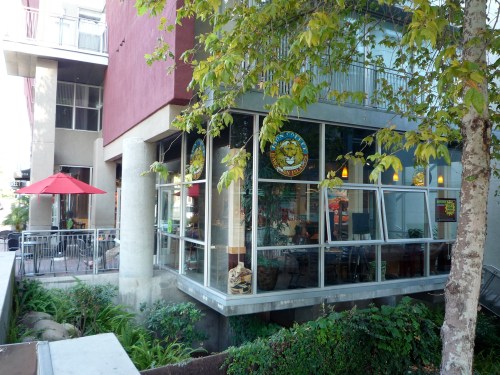
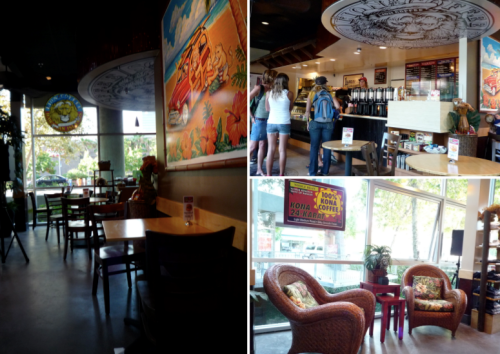
The location of this cafe is great. It is near Horton Plaza, Convention Center, and Seaport Village. The floor-to-ceiling windows with garden and trees outside make this store unique and differentiate itself from other coffee places in the Gaslamp Quarter of downtown San Diego. Larry Wilkens, the owner, keeps the layout of the cafe the same as Starbucks cafe that previously occupied this premise, but he redecorated the store with bamboo shelfs, rattan sofa, Hawaiian paintings, and vintage tropical ceiling fans– basically bringing bits of Hawaiian feeling to the mainland USA. (There are a lot of lion dolls and statues here and there all over the cafe, too.)

Picture 7

Seating was ample when I visited, which was in an afternoon of a weekday. Many of the customers seem to purchase coffee to-go. There is also an outdoor seating area if you prefer. I do not expect the cafe to be too crowded. This should be a nice place if you want to spend time relaxing over a cup of coffee, and don’t want to feel that you have to rush because other people are waiting for the table. There is more than enough natural light during the day if you want to read books or newspapers while sipping your coffee. Free wireless internet was detected when I was there, although I was not sure whether it was provided by Lion or some residents in the nearby apartments were generous enough to provide this public goods.

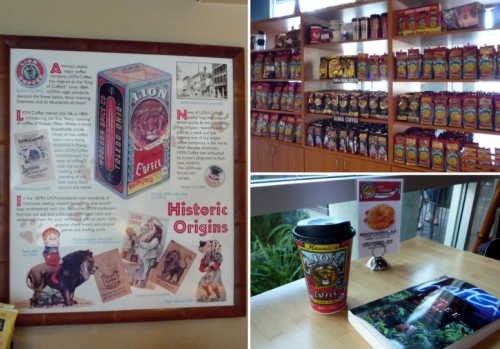
I ordered a latte. It was prepared by a super friendly barista “Lenny” who has worked with Larry and Lion for over a year, since when Lion was still at the previous location in Mission Valley. My latte was made from Lion’s Diamond Head Blend, which has 10% Hawaiian beans plus Arabica from other parts of the world. It was medium Italian roasted. My latte was quite good and served in colorful Lion cup. (I still have yet to try espresso drinks made from Lion’s 100% Kona beans.)

Picture 8

For non-espresso coffee, Lion provides a wide variety of non-flavored and flavored coffee drinks, including 100% Kona coffee. The cafe is also a retail store for Lion Coffee and Royal Kona Coffee beans, which were roasted in Hawaii and shipped here regularly. According to the reviews on yelp and my conversation with Lenny, Toasted Coconut flavor seems to be the best selling blend at this store. There are other Hawaiian goodies such as teas, chips, and macadamia chocolate available for purchase. They also serve light breakfast and fresh pastries, in case you look for something to enjoy with your coffee.

Overall, I had a good experience with the visit. Unlike the ultra-fancy restaurants that occupy the dining scene of Gaslamp Quarter, Lion Coffee is a friendly neighborhood cafe in the middle of downtown that you can just relax and get good coffee prepared by a surfer-dude barista and friendly staff– a cherry on the top of your enjoyment in the beautiful San Diego.

–Kris Hound